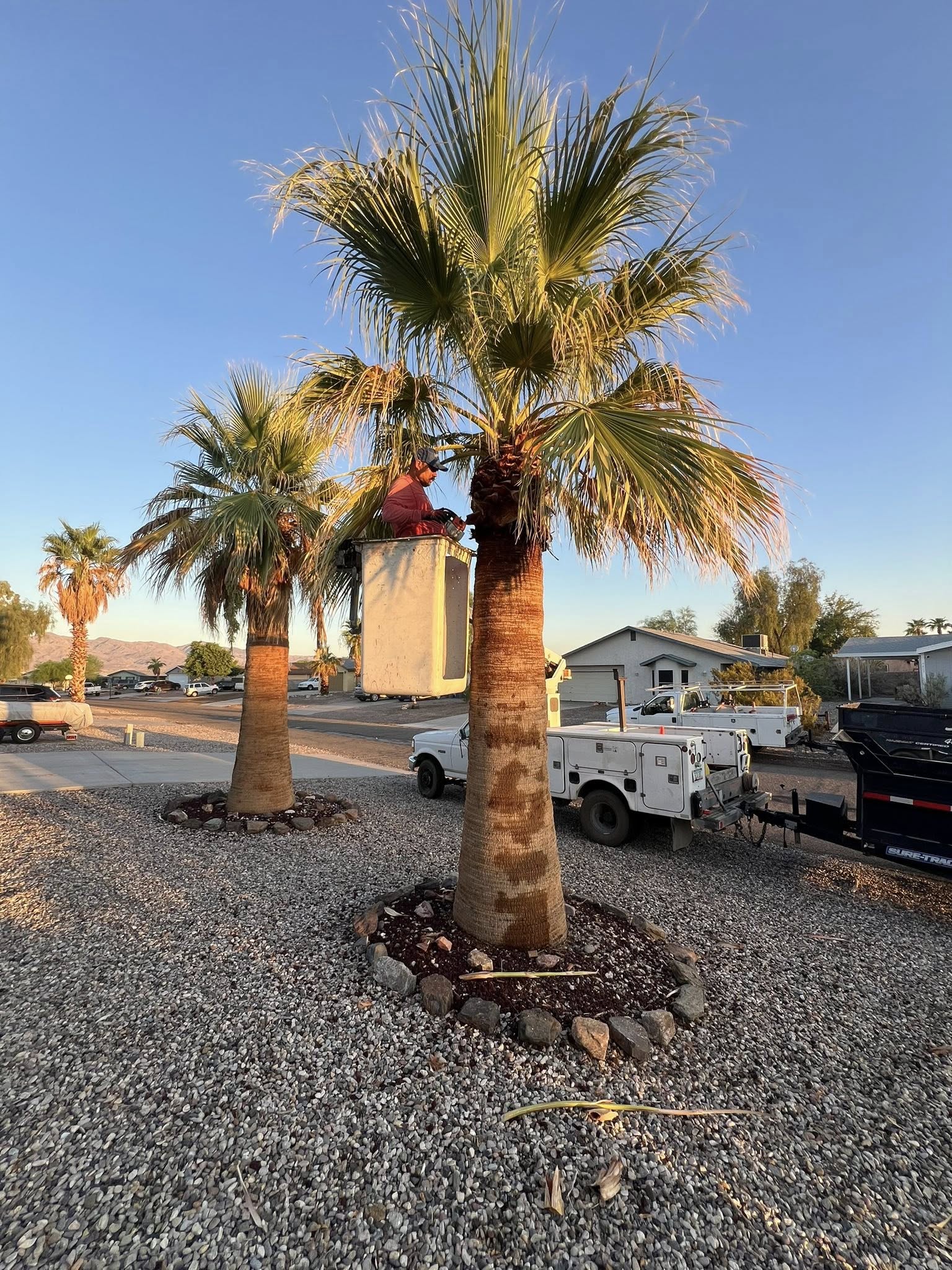
Eco-Friendly Landscaping: Designing Gardens for Climate Resilience Sep 09, 2026
Eco-friendly landscaping, also known as sustainable or green landscaping, involves designing outdoor spaces with practices that promote environmental health. This method is not just a trend but a critical adaptation strategy in our current ecological climate. By implementing specific techniques, you can create a garden that maximizes resource efficiency and supports local biodiversity.
One of the foundational aspects of eco-friendly landscaping is using native plants. Plants that are indigenous to your area are naturally adapted to the local climate, soil, and wildlife. This adaptation makes them more resilient to extreme weather and reduces the need for excessive watering and chemical usage. Native plants also provide essential resources for local pollinators and wildlife, enhancing biodiversity in your garden.
Water conservation is a cornerstone of climate-resilient gardening. Implementing a rainwater harvesting system can greatly reduce the dependency on municipal water supplies for irrigation. Systems that collect rainwater divert valuable resources to feed your garden during dry spells. Additionally, installing a drip irrigation system can ensure that water reaches plant roots directly, minimizing waste through evaporation.
Soil health is another vital component of eco-friendly gardening. Implementing organic practices such as composting and mulching enriches the soil with natural nutrients that bolster plant health. Healthy soil acts as a carbon sink, storing carbon dioxide that would otherwise contribute to atmospheric warming. Furthermore, mulch helps retain soil moisture and suppress weed growth, which reduces the need for chemical weed killers.
Incorporating hardscaping elements that promote sustainability can also significantly enhance your garden's resilience. Permeable paving materials allow rainwater to seep into the ground, reducing runoff and the risk of flooding. Consider using recycled or sustainable materials in your hardscaping projects to further minimize your environmental footprint.
Another important consideration in eco-friendly landscaping is deliberate garden design. By planning your garden layout to include windbreaks or shade-providing trees, you can create microclimates that protect sensitive plants from harsh weather conditions. These features not only enhance your garden's resilience but also improve energy efficiency in your home by reducing heating and cooling costs.
Finally, seek out eco-friendly lawn alternatives. Traditional lawns demand high water usage, frequent mowing, and often chemical fertilizers. Switching to ground cover plants, ornamental grasses, or creating wildflower meadows can significantly cut down on maintenance and provide a sanctuary for local wildlife.
In conclusion, designing gardens for climate resilience is not merely an art; it's an essential practice for safeguarding our environment. By choosing materials and plants wisely, managing water efficiently, maintaining healthy soil, and optimizing your landscape's design, you can create a garden that thrives in the face of climate challenges. At Top Notch Landscape Services LLC, we are committed to helping you implement these eco-friendly principles, ensuring your landscape is both beautiful and sustainable.
/filters:no_upscale()/filters:format(webp)/media/fc36fa84-a004-4201-adf9-aafb559f02d7.jpg)
/filters:no_upscale()/filters:format(webp)/media/9159a476-3162-4176-b03e-d97f8be80317.jpeg)