From Soil to Splendor: Cultivating Gardens with Expert Tips Aug 24, 2026
The foundation of any garden is its soil. Ensuring the health of your soil is the first step towards a thriving garden. Begin by testing your soil to determine its pH level and nutrient content. This analysis will guide you in selecting the right fertilizers to improve soil quality. Opt for organic compost to enhance soil fertility naturally. Amending your soil with the right materials can greatly affect plant growth and, ultimately, the beauty of your landscape.
Once the soil is ready, it’s time to select the plants that will thrive in your environment. Consider the local climate, sun exposure, and water availability when choosing plant species. Native plants are often the best choice as they are adapted to the local conditions and require less maintenance. Additionally, choosing a variety of plants that bloom at different times of the year will ensure your garden has year-round color and interest.
Watering is another critical aspect of garden care. Efficient watering systems, such as drip irrigation, can help deliver water directly to the plant roots, reducing water wastage and promoting healthy growth. It’s also vital to water your plants at the right time of day; early morning is ideal as it allows the water to reach the roots before the sun evaporates it.
Pest control is essential to maintain a healthy garden. Instead of resorting to chemical pesticides, consider natural alternatives such as introducing beneficial insects or using neem oil to deter harmful pests. Companion planting can also act as a natural pest deterrent by attracting pollinators and other helpful insects to your garden.
Mulching is a highly effective technique to preserve soil moisture, suppress weeds, and add an aesthetic touch to your garden. Organic mulches such as wood chips or straw also decompose over time, enriching the soil with nutrients. Apply a layer of mulch around your plants, but ensure it doesn’t touch the stems to prevent rot.
Integrating hardscaping elements like paths, patios, and retaining walls can add structure and functionality to your garden. These features not only enhance the visual appeal but also provide practical benefits, such as improved drainage and additional living space. When planning hardscape designs, consider how they can complement the natural landscape, creating a seamless transition between the built and natural environments.
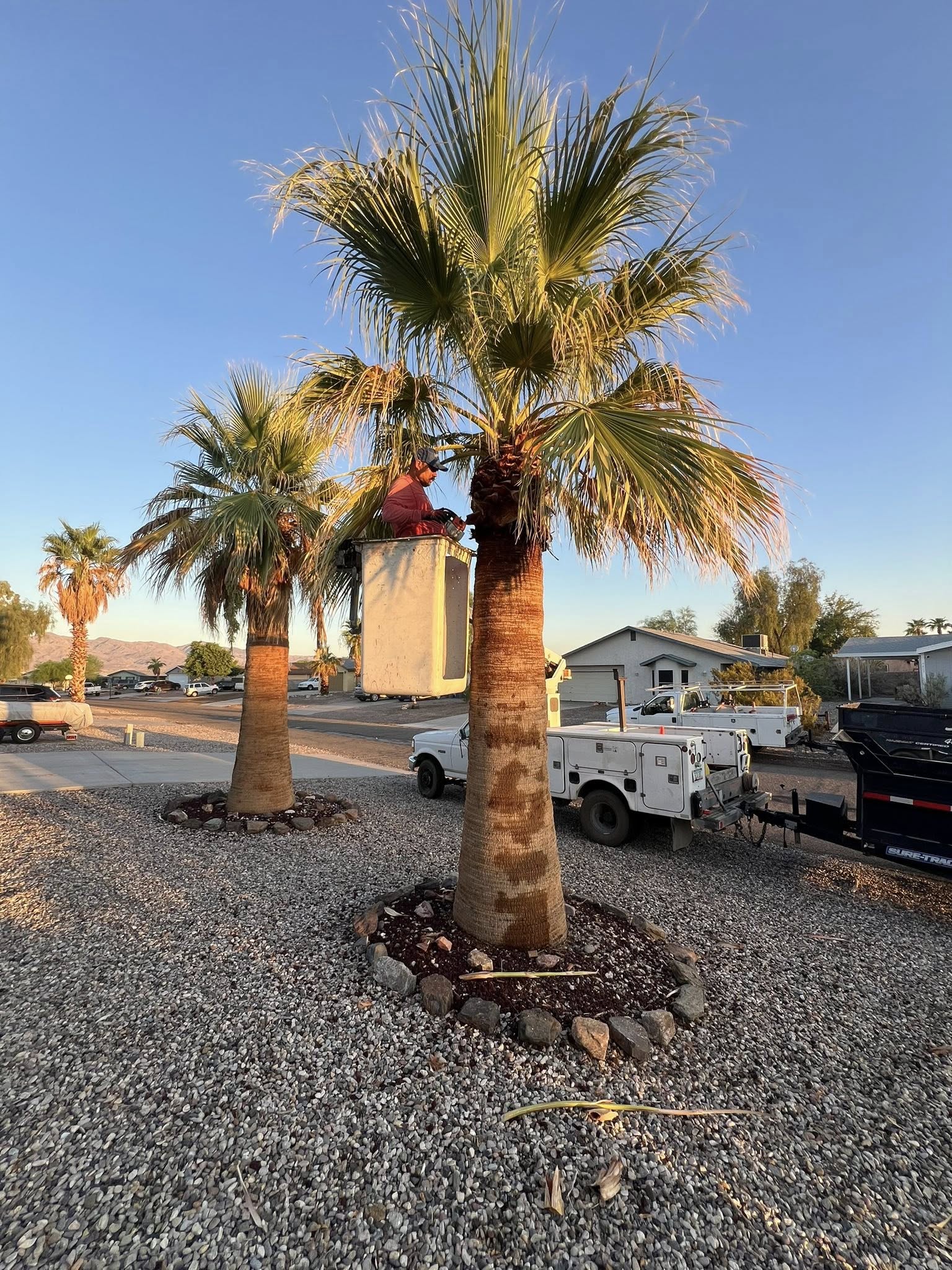
Remember, maintaining a garden is an ongoing process. Regular pruning helps manage plant growth, and deadheading flowers can encourage more blooms. Keeping an eye on your plants allows you to address potential problems like disease or nutrient deficiencies before they become serious issues.
In conclusion, cultivating a magnificent garden with expert techniques involves understanding your unique environment and making informed decisions that support plant health and aesthetics. Whether you are starting from scratch or enhancing an existing landscape, the professionals at Top Notch Landscape Services LLC are here to support you every step of the way. Enjoy the journey from soil to splendor, transforming your garden into a vibrant oasis of natural beauty.
/filters:no_upscale()/filters:format(webp)/media/fc36fa84-a004-4201-adf9-aafb559f02d7.jpg)
/filters:no_upscale()/filters:format(webp)/media/9159a476-3162-4176-b03e-d97f8be80317.jpeg)