Mastering Low-Water Gardening: Designing Beautiful and Drought-Resistant Landscapes Jul 24, 2026
To begin transforming your outdoor space into a low-water oasis, it's essential to start with a solid plan. Understanding your local climate and soil type is crucial, as this influences plant selection and garden design. In regions facing severe drought, selecting drought-tolerant plants is key to ensuring that your garden remains lush and vibrant throughout the year. Native plants are an excellent choice, as they are naturally adapted to the local environment and require minimal watering once established.
One of the most effective strategies in low-water gardening involves grouping plants according to their watering needs. This not only reduces water waste but also supports plant health by providing specific care tailored to each type. For instance, succulent plants require considerably less water compared to flowering annuals. Grouping plants with similar water requirements makes it easier to implement a targeted watering approach.
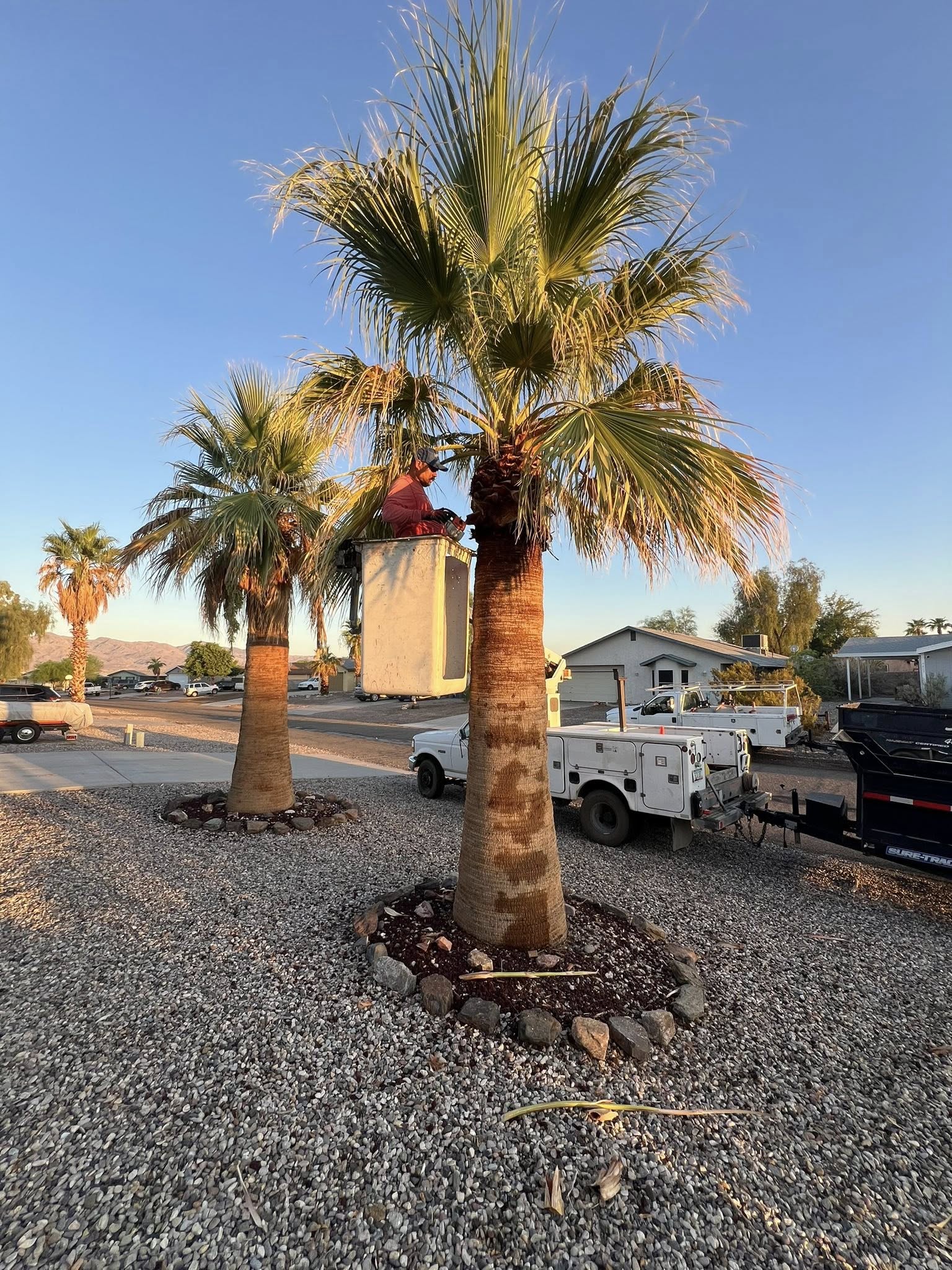
In addition to plant selection, consider incorporating hardscape elements into your landscape design. Hardscaping involves the use of non-plant features like stone pathways, gravel beds, and decorative pebbles, which require no watering. Not only do these elements reduce water use, but they also add texture and visual interest to your garden. A well-placed stone bench or a striking mosaic pathway can serve as focal points that draw the eye and enhance the overall beauty of outdoor spaces.
Mulching is another vital technique in low-water gardening. By covering the soil with organic materials like bark or wood chips, you can significantly reduce water evaporation and keep the soil temperature consistent. Mulch also helps suppress weed growth, which can compete with your plants for moisture. Applying a thick layer of mulch around your plants will keep the soil moist for longer, reducing the frequency of watering needed.
Efficient irrigation systems are essential in maintaining a low-water garden. Drip irrigation systems, in particular, are highly effective as they deliver water directly to the plant roots, minimizing evaporation and runoff. Timers can be installed to regulate watering schedules and ensure that plants receive the right amount of water at optimal times. This method not only conserves water but also reduces utility costs and ensures that your garden remains healthy and thriving.
Finally, consider the layout and design of your garden based on water conservation principles. Creating terraces or using graded landscapes can significantly improve water retention by preventing water runoff. Turfs can be replaced with drought-resistant ground covers or rock gardens, which provide the look of lush landscapes without the heavy water demand.
Embracing low-water gardening is not only environmentally responsible but also an opportunity to explore creative and resilient landscaping options. With these practical tips, courtesy of Top Notch Landscape Services LLC, you can design a stunning, sustainable garden that boasts beauty despite water limitations. By focusing on smart plant selection, efficient irrigation, and integrating hardscape elements, homeowners can enjoy a vibrant landscape that thrives in harmony with nature's contingencies.
/filters:no_upscale()/filters:format(webp)/media/fc36fa84-a004-4201-adf9-aafb559f02d7.jpg)
/filters:no_upscale()/filters:format(webp)/media/9159a476-3162-4176-b03e-d97f8be80317.jpeg)